Kidney stones are common, painful and, for many people, likely to recur once they have occurred the first time. Along with any medical treatment advised, a few everyday habits can meaningfully lower the chance of a repeat stone.
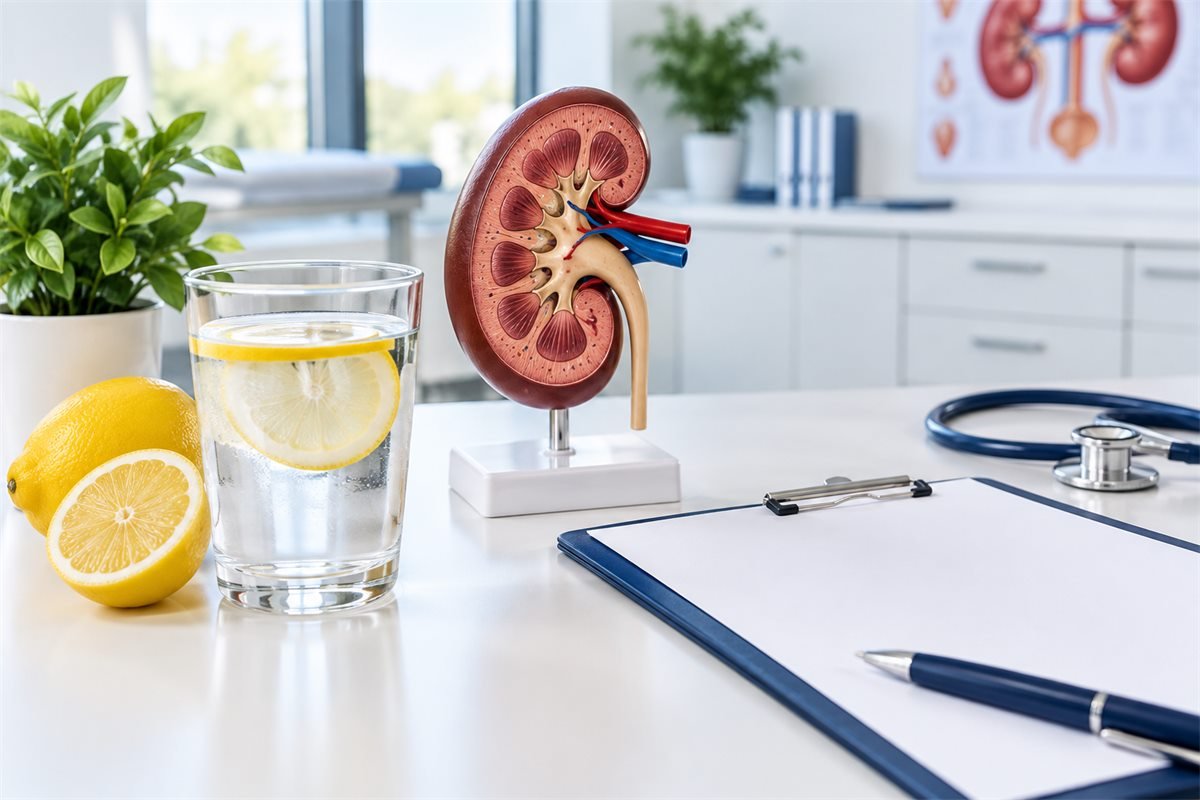
Hydration first: drinking enough water through the day so that urine stays pale is one of the simplest and most effective preventive steps, since concentrated urine allows stone-forming crystals to form more easily.
Diet adjustments: depending on the type of stone identified on analysis, reducing salt intake, moderating animal protein, and being mindful of oxalate-rich foods (such as certain leafy greens and nuts) can help - which is why stone analysis and personalised advice matter more than generic diet rules.
Do not ignore recurring symptoms: flank pain, urinary discomfort, or blood in the urine should be evaluated rather than repeatedly self-medicated, as recurrent or obstructing stones may need endoscopic treatment.
Stay on follow-up: periodic check-ups and imaging after a stone episode help catch a new stone early, when it is smaller and easier to treat. If you have had a kidney stone before, a short conversation about your specific risk factors is one of the most useful things you can do to prevent the next one.